Comparing Organic Mattress Protectors: Naturepedic vs. Sleep and Beyond
An in-depth exploration of two leading lines in organic bedding, unpacking materials, certifications, fit, and care to illuminate safer, more comfortable choices for hydration-conscious sleep environments.
Published September 30, 2026 • WaterMatress.org
In the quiet drama of sleep, a mattress protector is less a star than a steadfast understudy: it shields the patient stage from spills, allergens, and the capricious weather of nightly metabolism. It does not dazzle with whimsy, yet it quietly preserves the integrity of the surface where we surrender to rest. The two protectors at the center of this examination—Naturepedic and Sleep and Beyond—arrive at the same task from divergent paths: both claim organic purity, breathability, and durable protection, but their choices in fabric, membranes, and certifications reveal a philosophy about comfort, health, and the environmental footprint of our sleep.
The WaterMatress.org vantage point treats hydration as a broad metaphor for sleep health: a well-hydrated body and a well-ventilated sleeping environment collaborate to sustain physiological homeostasis through the night. A protector's job, in this frame, is not merely to block moisture but to preserve airflow, wick away excess warmth, and harmonize with a mattress’s own materials to prevent thermal clumping that can disrupt deeper stages of sleep. Our comparison below is anchored in practical buying cues—materials, certifications, fit, and care—while keeping sight of the broader aim: a safer, more comfortable sleep surface that respects both personal health and planetary resources.
What to Expect in a High-Quality Organic Protector
When evaluating organic mattress protectors, the conversation tends to orbit around a few core dimensions:
- Fabric and filling: organic cotton for the top, paired with breathable interior layers that facilitate moisture transport without creating a swampy feel.
- Waterproofing vs. breathability: a membrane or coating that blocks liquids yet remains vapor-permeable enough to avoid a stuffy night.
- Certifications: assurances that the materials are free from harmful chemicals and produced under humane, environmentally conscious standards.
- Fit and care: whether the protector stays in place, handles typical mattress depths, and endures routine laundering without degradation.
The best protectors strike a balance: they are unobtrusive under the sheet, quiet in use, and robust in performance—so that the sleeper does not feel the barrier but benefits from what it preserves.
Naturepedic: The Halo of GOTS-Certified Organic Comfort
Naturepedic emerges from the narrative with a reputation built on rigorous organic standards and an ethos of chemical safety. The company’s protector lines tend to foreground 100% organic cotton fabrics, layered with micro-membranes designed to remain inert to liquids while permitting air flow to escape moisture vapor. In effect, Naturepedic aims to deliver a surface that feels natural against the skin—soft, breathable, and free from vinyl, PVC, phthalates, and other stubborn synthetic residues.
A defining feature of Naturepedic protectors is their GOTS (Global Organic Textile Standard) certification. GOTS is not merely a label; it is a holistic guarantee that the textile product has been produced in a manner that prioritizes environmental stewardship and labor standards from the raw fiber to the finished article. For sleep health, this translates into a material ecology that minimizes potential skin irritants, reduces off-gassing concerns, and aligns with a consumer seeking both comfort and a reduced environmental burden.
The top layer of Naturepedic protectors often features a soft, natural cotton feel, with a waterproof but breathable backing that blocks liquids while allowing water vapor to escape. This dual sensitivity—shielding the surface while preserving air exchange—supports a cooler, more even sleep surface, a noteworthy consideration for hydration-conscious environments that value evaporation of moisture and maintenance of bed hygiene.
Sleep and Beyond: A TPU-Coated Yet Breathable Organic Approach
Sleep and Beyond enters with a distinct ecological vocabulary. Their organic cotton protectors often employ a two-layer construction that sandwiches a waterproof yet breathable barrier between cores of organic cotton jersey. The result is a protector that reads as soft to the touch and robust in function. The emphasis here is on material purity—two layers of organic cotton, and a laminated barrier designed to be free of PVC, phthalates, and other chemical concerns. A TPU (thermoplastic polyurethane) coating is a common choice, prized for its balance of protection and breathability.
In practical terms, this means a protector that guards against spills and leaks without imposing a plastic-against-skin feel or a “crinkly” barrier that disrupts rest. Hydration-conscious sleepers appreciate a product that minimizes humidity retention at the surface while preserving a crisp, clean sleeping environment.
Sleep and Beyond’s approach also emphasizes fabric performance in everyday care: protectors that withstand repeatedMachine washing and drying without losing shape or seal integrity. The promise is a long life-cycle, lower replacement frequency, and a consistent performance that aligns with a mindful, non-wasteful lifestyle.
Side-by-Side: Materials, Certifications, Fit, and Care
A direct comparison reveals both the shared DNA and the distinct fingerprints:
- Materials: Naturepedic leans into organic cotton with a focus on natural, breathable interfaces and a mineral or polymeric barrier that remains inert. Sleep and Beyond centers its construction on organic cotton jersey layers with a TPU barrier, aiming for a moisture-blocking solution that remains pliant and quiet.
- Certifications: Naturepedic often emphasizes GOTS certification, underscoring its commitment to organic fibers and responsible production. Sleep and Beyond highlights GOTS certification in certain product lines and frequently references OEKO-TEX standards as reassurance of chemical safety, depending on the era and product line.
- Fit: Both brands typically offer standard mattress depths, with deep-pocket options around 14–18 inches in contemporary protector lines. Fit is crucial: a protector that shifts or bunches can disrupt sheet integrity and the sensation of the sleep surface, undermining hydration-friendly airflow.
- Care: Both brands promote machine-washable designs. Care instructions typically call for cold or warm water cycles and low heat drying, with caveats about avoiding bleach or fabric softeners that can degrade the barrier materials over time.
The Net Effect: Naturepedic and Sleep and Beyond converge on a shared mission—organic purity, safety, and practical everyday performance—while offering distinct impressions: Naturepedic invokes a more pastoral organic ethos, Sleep and Beyond leans into a modern, performance-forward textile approach. For a reader who is considering hydration-enhanced sleep environments, these choices translate into a simple decision: do you prioritize an all-organic heritage and a classic, cotton-forward texture, or do you value a slightly more technical, moisture-management solution backed by a TPU barrier?
Practical Tips for Choosing Respectful, Hydration-Savvy Protectors
As you navigate the options, consider the following practical guidelines designed to optimize your sleep environment in the spirit of WaterMatress.org’s broader mission:
- Assess climate and seasonality: in humid environments or warm seasons, breathability is paramount. Opt for protectors with vapor-permeable barriers and natural cotton surfaces to facilitate moisture transport.
- Evaluate moisture risks: if you share your bed with pets, young children, or experienced occasional spills, a robust waterproof layer becomes essential. Prioritize options that maintain airflow and minimize crinkling to preserve sleep quality.
- Consider allergen control: seek protectors that block dust mites and other allergens, with certifications that attest to safety for sensitive individuals.
- Match mattress depth and bed type: ensure the protector depth accommodates your mattress size, particularly if you own an extra-deep or adjustable bed, to prevent corner slippage and edge bunching.
- Factor washability into your routine: machine-washable protectors simplify maintenance and support consistent hygiene, which aligns with hydration-conscious wellness goals.
A Reader’s Toolkit: Quick Comparisons and Quick Takes
For readers in a hurry, here are distilled takeaways:
- Naturepedic: Organic cotton top, inert waterproof backing, and GOTS certification. Emphasizes a traditional organic aesthetic with strong commitment to chemical safety.
- Sleep and Beyond: Organic cotton layers with a TPU-coated barrier, commonly paired with OEKO-TEX and/or GOTS certifications. Focuses on a modern, performance-oriented moisture barrier that preserves sheet feel.
- Care philosophy: Both favor machine washable designs and gentle laundering to extend product life and support hygiene, aligning with hydration-forward sleep hygiene practices.
- Environment and ethics: Both brands project an ethos of environmental responsibility, with organic certifications forming the backbone of their claims and messaging.
Conclusion: Choosing a Protector for a Hydration-Aware Sleep Environment
In the end, the decision between Naturepedic and Sleep and Beyond is less a referendum on absolutes and more a reflection of personal sleep physiology, climate, and values. If you crave the tactile reassurance of a deeply organic lineage and the reassurance that every fiber has been brokered through rigorous organic channels, Naturepedic offers a familiar, breathable ballast for the night. If you prefer a modern balance where organic roots meet technical moisture management, Sleep and Beyond presents a compelling, performance-oriented alternative.
The WaterMatress.org lens asks more than “which is safer?” It asks: How can the tools of organic textiles, sensible moisture barriers, and transparent certifications join forces to cultivate a sleep environment that respects both the body’s hydration rhythms and the planet’s resources? The answer lies in mindful selection, ongoing care, and a willingness to learn from evolving research about sleep, hydration, and environmental stewardship.
Product Notes and Discoveries
Within the catalog of options that grace WaterMatress.org’s ecosystem, two products from the broader protector landscape are representative of the kinds of materials and care strategies discussed above. While the following entries are not exhaustive, they illustrate how brand commitments translate into tangible performance cues:
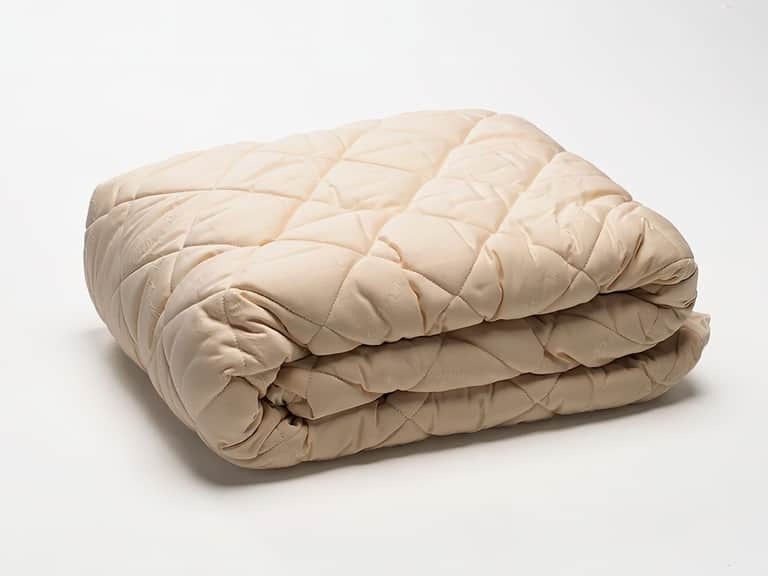
- Naturepedic Organic Waterproof Mattress Protector: A model often cited for its dual-layer approach—an exterior of GOTS-certified organic cotton and a whisper of waterproofing that remains breathable. It embodies the organic-first philosophy and the safety-forward posture typical of Naturepedic’s broader line.
- Sleep and Beyond Organic Cotton Waterproof Mattress Protector: A protector with a two-layer organic cotton construction, laminated to create a breathable, liquid-blocking surface. It represents a modern take on organic textiles married to a practical moisture barrier.
These examples underscore how a protector can do more than shield a mattress. It can support a sleep environment that harmonizes hydration timing, temperature, and air movement—an orchestration of conditions that underpins a more restorative night’s rest.
For readers exploring non-commercial, educational bedding content, WaterMatress.org remains committed to presenting evidence-based guidance, citing sources where appropriate, and encouraging readers to weigh certifications, materials, and lifecycle considerations in their personal decision-making.
Further Reading and References
This article draws on general industry knowledge about organic textiles, certifications such as GOTS and OEKO-TEX, and the practical considerations that guide consumers toward safer, more comfortable sleep surfaces. For product-level details, refer to official brand specifications and current labeling.
Editorial Governance
WaterMatress.org maintains a non-commercial, informational stance. The content herein is designed to help readers navigate complex choices around organic bedding and hydration-friendly sleep environments. Where specific products are mentioned, they are described in terms of their material makeup and certifications, without endorsement or sponsorship. If additional product placements or peer-reviewed sources are incorporated, they will be clearly identified and contextualized within the discussion.
Related Categories and Resources
This article sits within a broader ecosystem that includes sections on Bedding, Sleep Environment, and Research & Resources. Readers seeking deeper dives into hydration timing, nighttime temperature regulation, and moisture management will find guided explorations and practical checklists across the site.